
Timeline

19th Century
Approximate Birth Period

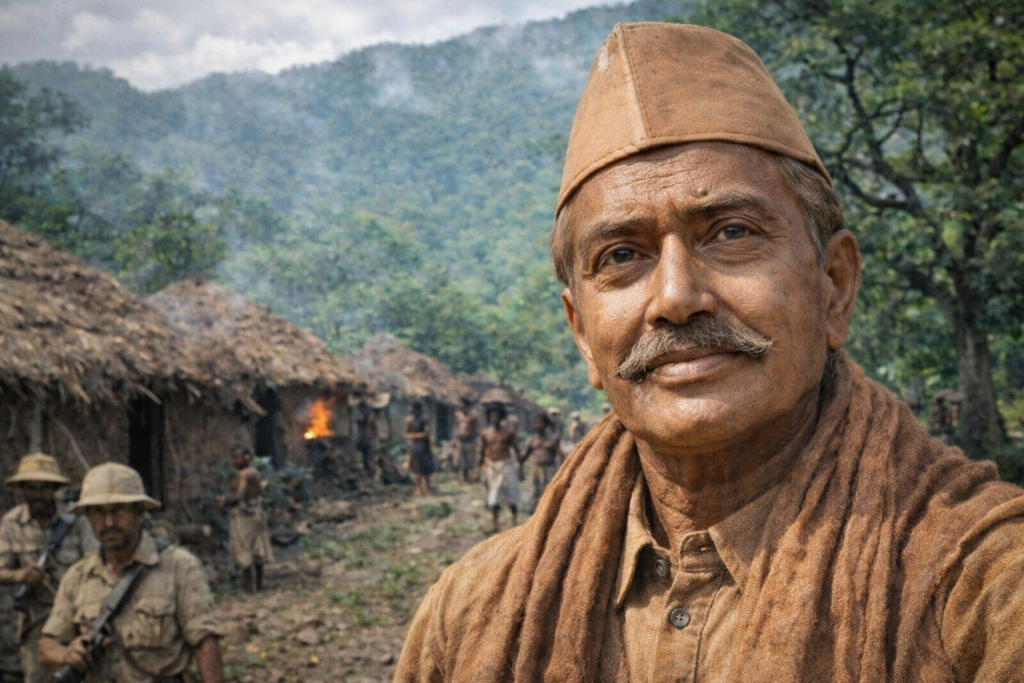
Marri Kamayya was born in the early to mid-1800s in a Gond tribal region surrounded by dense forests and hill settlements. This was a period when colonial influence was gradually expanding into tribal territories, reshaping traditional systems of land and governance.
Childhood Years
Life in a Forest-Based Community

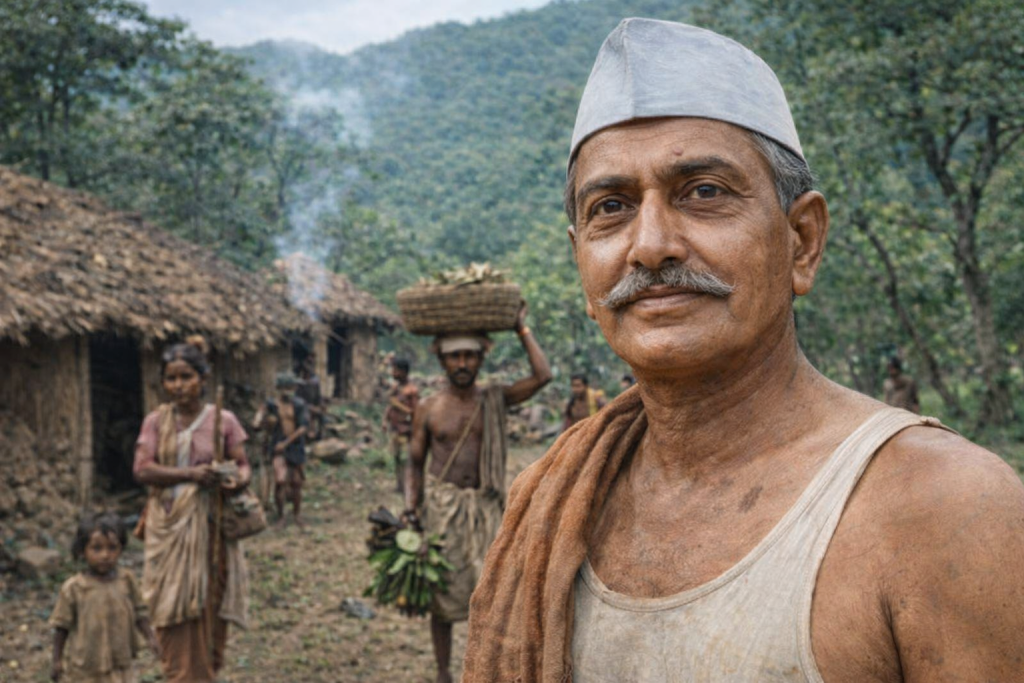
He grew up in a close-knit Gond village where agriculture, forest gathering, and community cooperation shaped everyday life. The natural landscape deeply influenced his understanding of land as both livelihood and sacred heritage.
Youth Period
Cultural Foundation & Identity

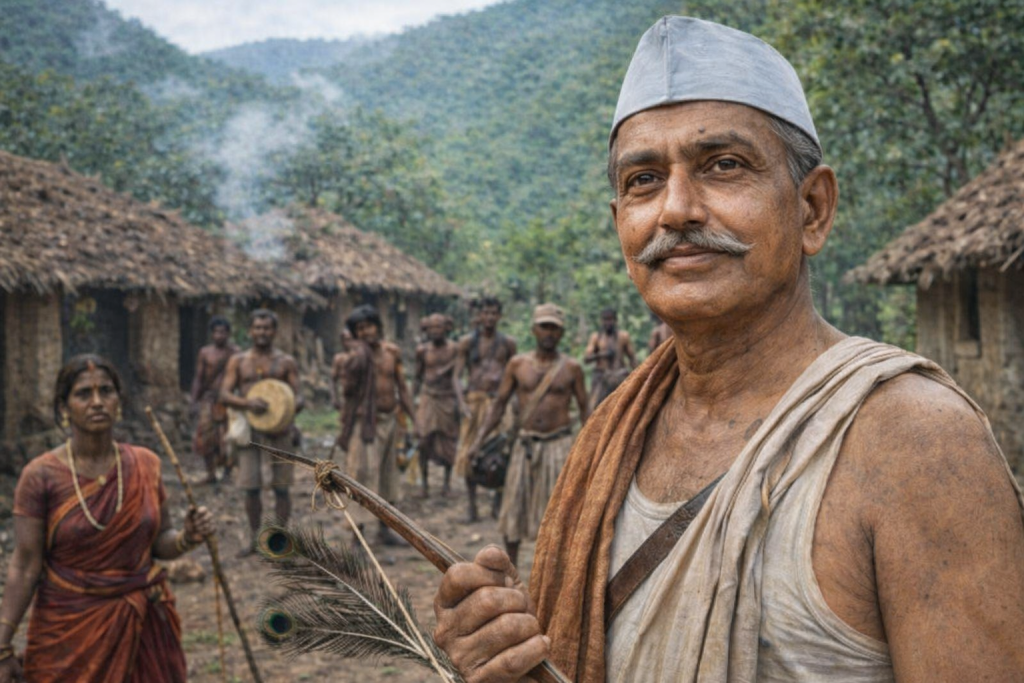
From a young age, he was immersed in Gond traditions — oral storytelling, clan structure, village councils, and ritual practices. These cultural foundations instilled values of unity, courage, and collective responsibility.

Formative Influence
Awareness of External Pressures

As colonial policies began affecting forest rights and tribal autonomy, young Kamayya witnessed early signs of disruption. These circumstances gradually shaped his awareness and sense of duty toward protecting his people.
Leadership & Resistance Period

Formation of Tribal Unity

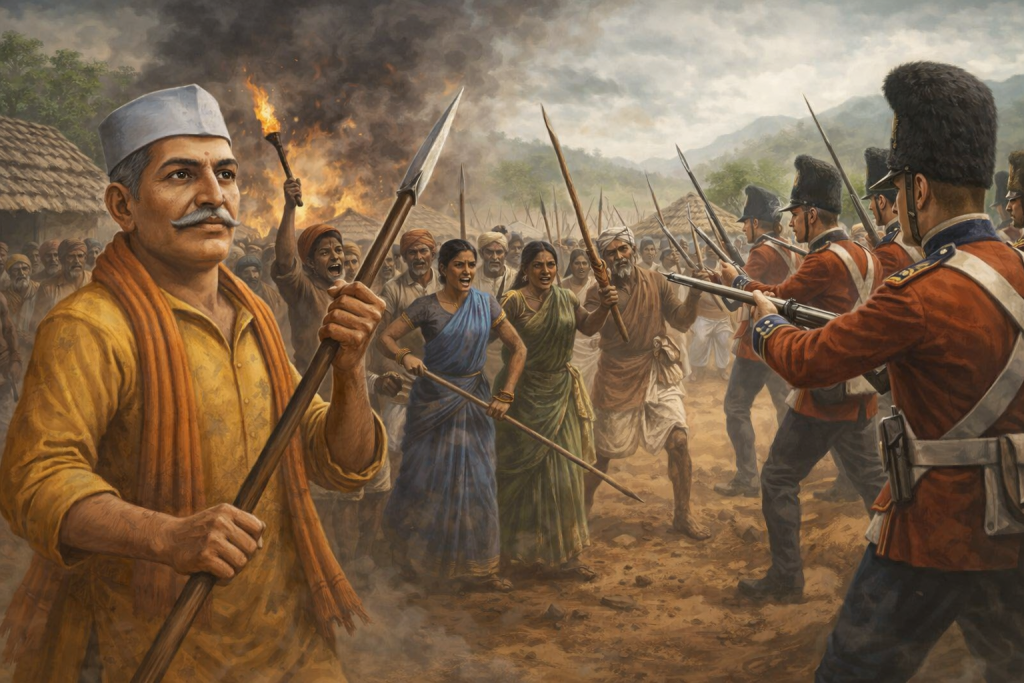
During his active years, Marri Kamayya transformed scattered dissatisfaction into organized resistance. He united Gond villages under a shared purpose — protecting land, forests, and traditional rights from external control.

Guerrilla Tactics in Tribal Territor

Using deep knowledge of forest terrain, he adopted strategic movements and surprise tactics. The dense landscape became both shield and strength, enabling coordinated resistance while protecting community settlements.

Guerrilla Tactics in Tribal Territor

Using deep knowledge of forest terrain, he adopted strategic movements and surprise tactics. The dense landscape became both shield and strength, enabling coordinated resistance while protecting community settlements.

Formation of Tribal Unity

During his active years, Marri Kamayya transformed scattered dissatisfaction into organized resistance. He united Gond villages under a shared purpose — protecting land, forests, and traditional rights from external control.

Major Historical Events

During Marri Kamayya’s lifetime, tribal regions experienced increasing interference from colonial authorities through forest regulations, taxation policies, and administrative control. These changes disrupted traditional land ownership and weakened indigenous governance systems.

In response, Marri Kamayya emerged as a central figure in organizing resistance. Key historical moments included the mobilization of Gond villages, strategic defense of forest territories, and open defiance against imposed restrictions. These events marked a turning point in regional tribal history, transforming local unrest into a structured movement rooted in unity and cultural preservation.

Scroll to Top